The Crop Report: September 2026
Here Comes the Hot Pepper
Even though I worked at a farm and my parents grow food back home, I’ve never really considered myself a “grower”. And yes, I’ve spent plenty of time around people who seem to instinctively know what to plant, when to plant it, and how to keep it alive. But that instinct never came naturally to me.
One thing I came to appreciate about my time at the Urban Farming Institute (UFI) is that there was always someone encouraging you to push past the limitations you place on yourself. Sometimes it was a friend/coworker, and sometimes it was a stretch goal a manger asked me to write down. Either way, the message was the same: try something new, challenge yourself, and see what you’re capable of.
Two years ago, I decided to take that advice and grow hot peppers.
I use hot peppers to make Haitian épis on a regular basis, so I figured, why not grow my own? I planted some peppers, gave it a shot, and…let’s just say it was a monumental flop. One my coworkers were kind enough to make sure I never forgot about.
This year, I tried again. This time, I had a little more intention and, thanks to the Farmer Training Program classes I attended, I had a lot more know-how. Instead of putting seeds in the soil and hoping for the best, I understood what my plants needed and was able to trust the process as I embarked on my growing journey.
And what do you know? Success followed.
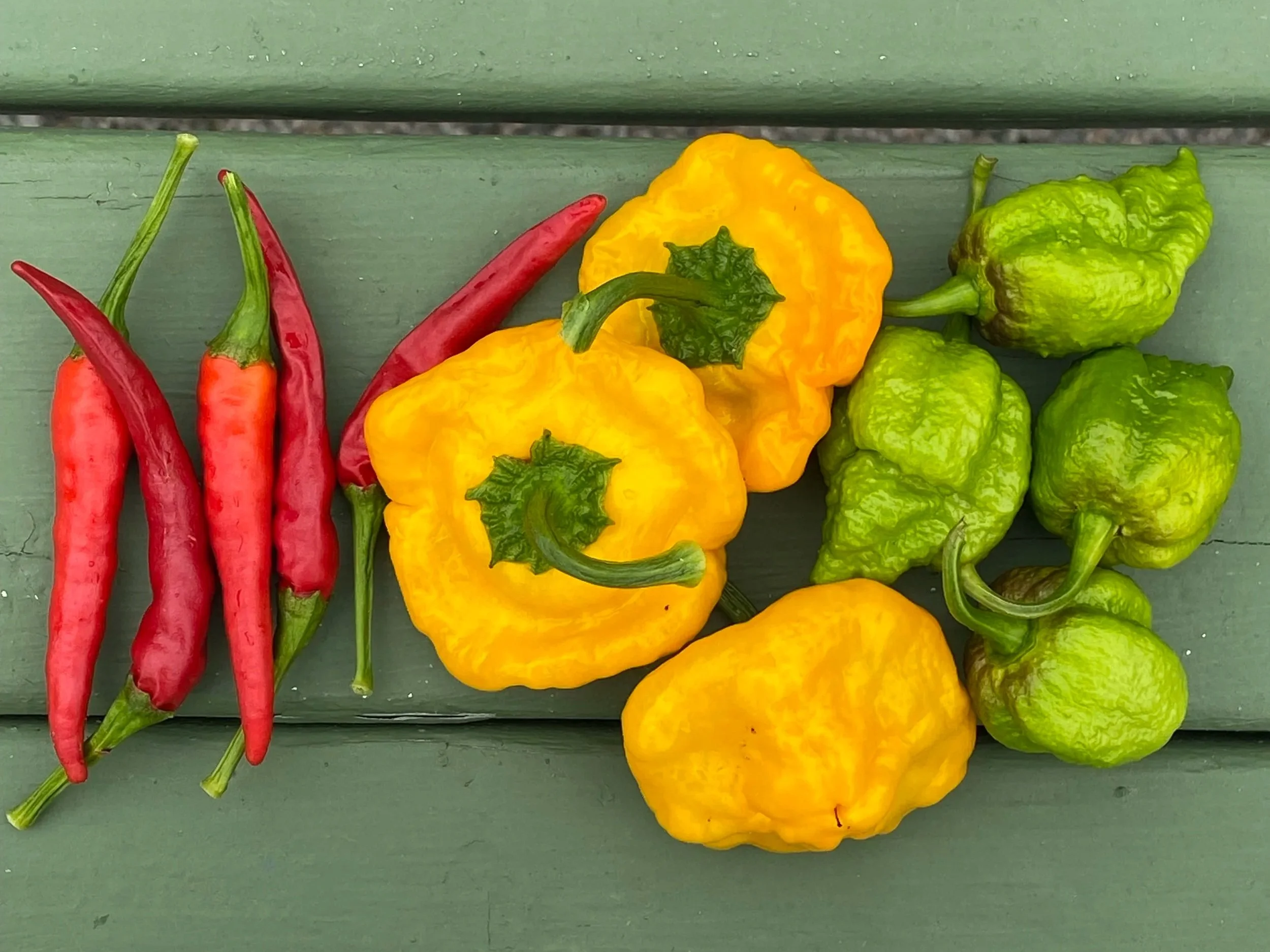
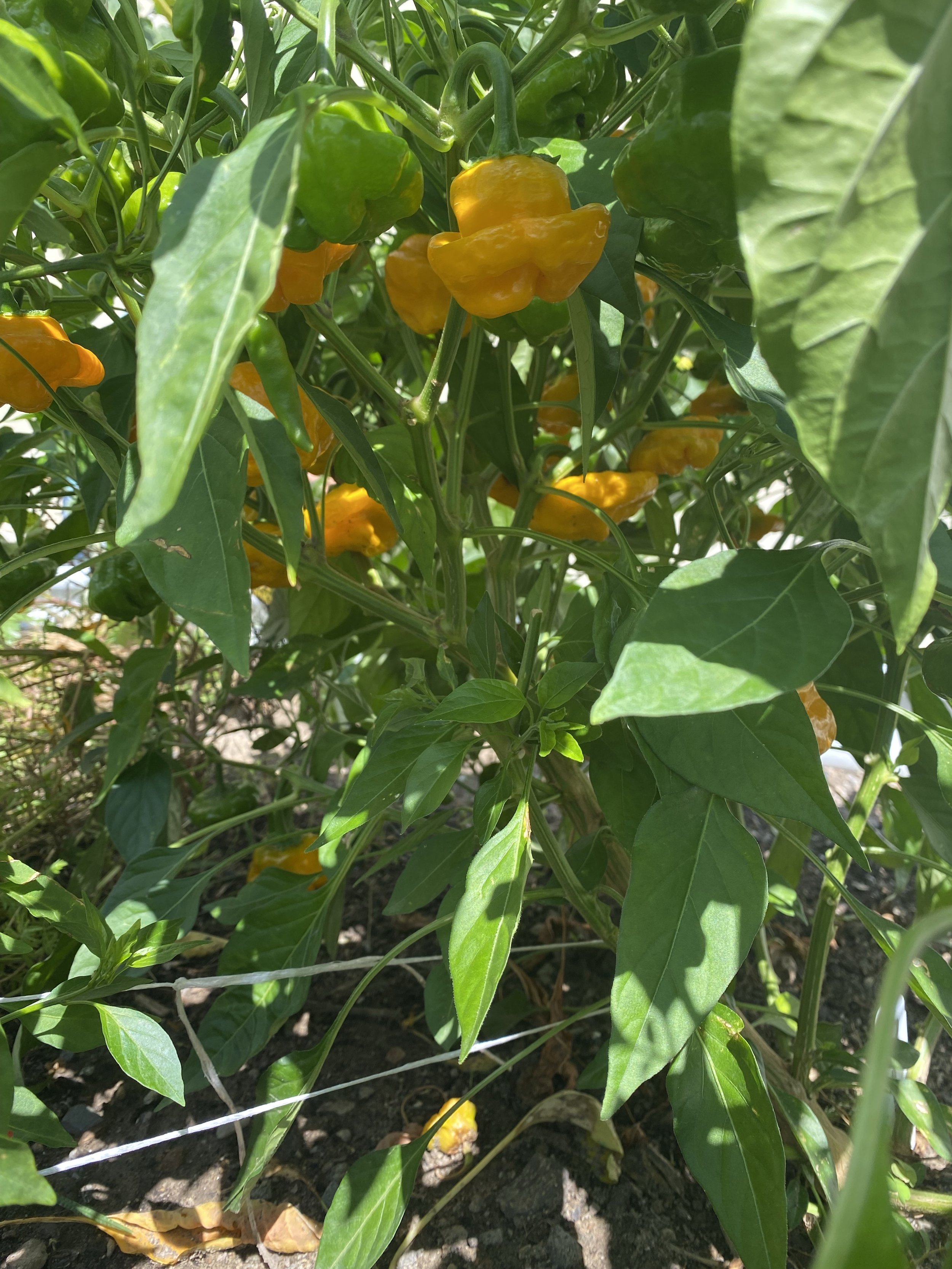
Today, I’m the proud “father” of three abundant hot pepper plants: Scotch Bonnet, Scorpion, and Thai Chili.
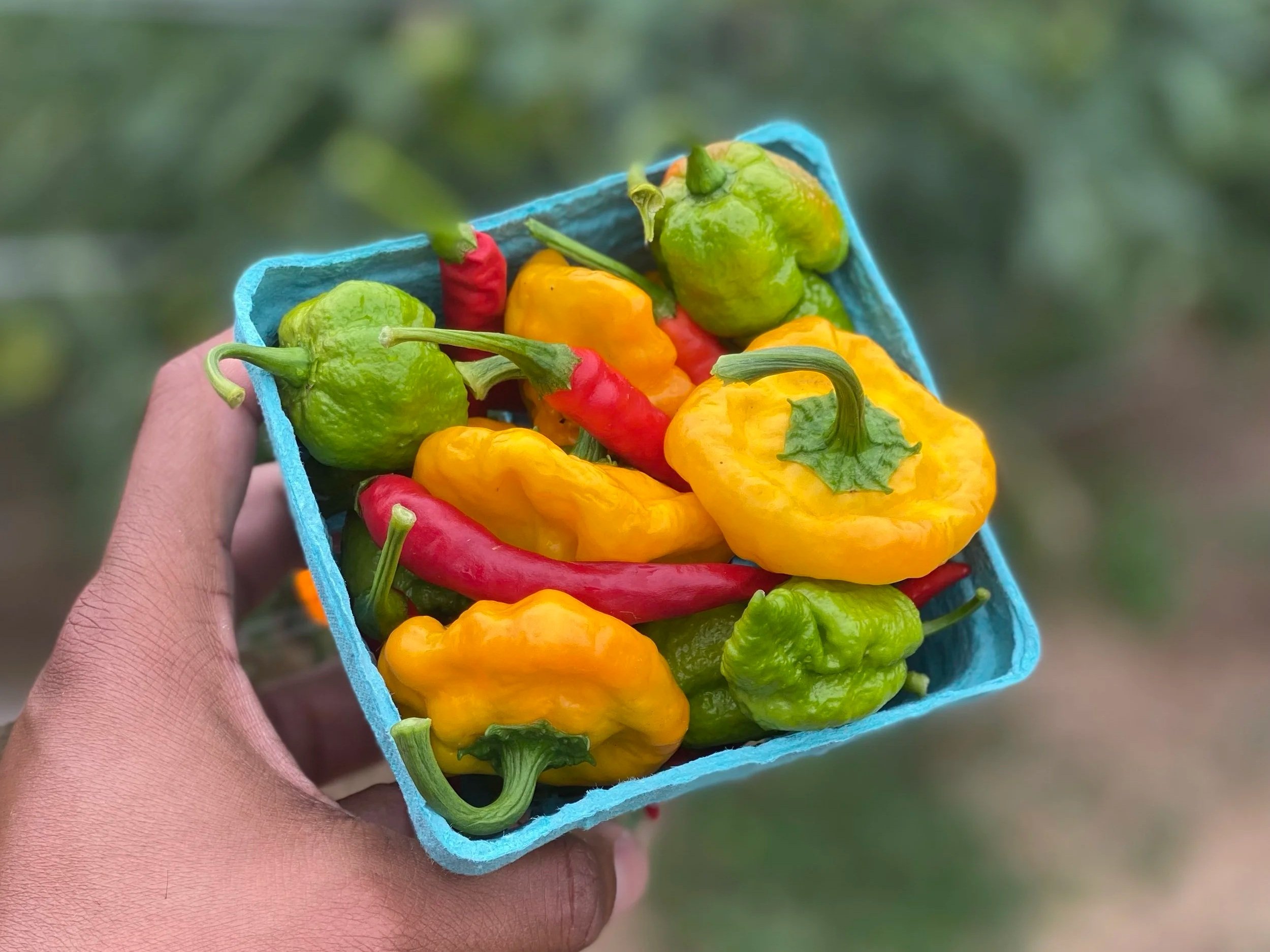
There’s something incredibly gratifying about watching something you planted with your own hands go from seed to seedling, to plant, to flowers, and finally, to peppers. And honestly, there’s something even better about knowing exactly where your food came from. Instead of standing in the grocery store wondering how fresh a pepper really is, where it was grown, or how long it’s been sitting there, I can walk outside and pick one myself.
I know how it was grown because I grew it.
I’ve been able to share those peppers with family and friends, too. Something that started as a handful of seeds I planted ended up on someone else’s table. That’s what growing food can give you. It’s not just about the food. It’s about confidence, patience, persistence, and community. It’s about realizing that I can do this. And it’s about being able to tell someone, “I grew this. Here, take some.”
That, to me, is the heart of UFI’s mission.
Urban farming isn’t just about producing food in the city. It’s about giving everyone the opportunity to connect with the soil, learn something new, challenge what they think they’re capable of, and share the fruits, quite literally, of their labor.
I may still hesitate to call myself a “grower.” But when I look at those three pepper plants, I must admit: I’m starting to come around. And if you see me around proudly talking about my Scotch Bonnets, Scorpions, and Thai Chilis, just know I’ve earned the right to be a little annoying about it.
From seed to harvest, this year I didn’t just grow peppers; I grew a little more as a person, too.
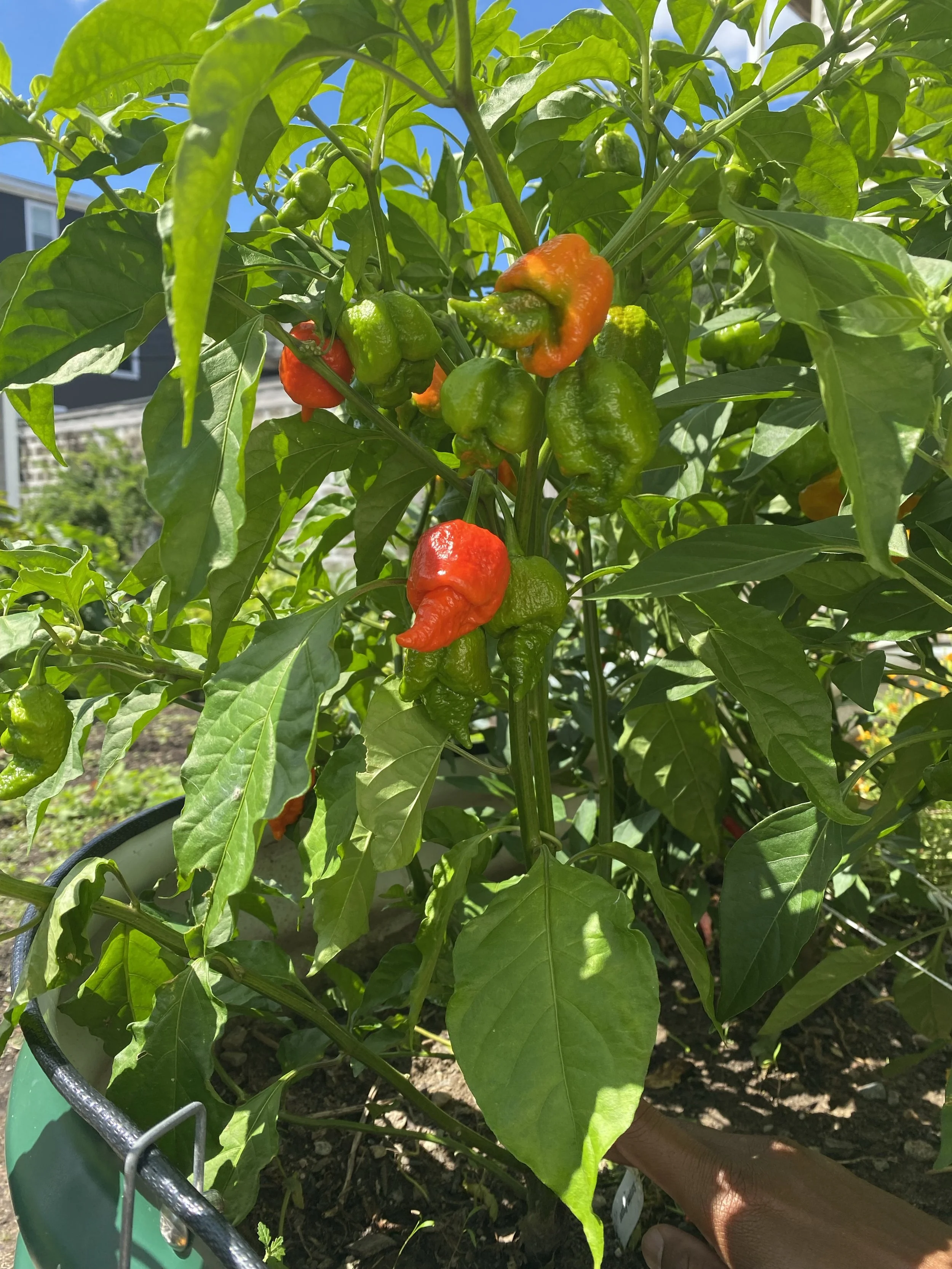
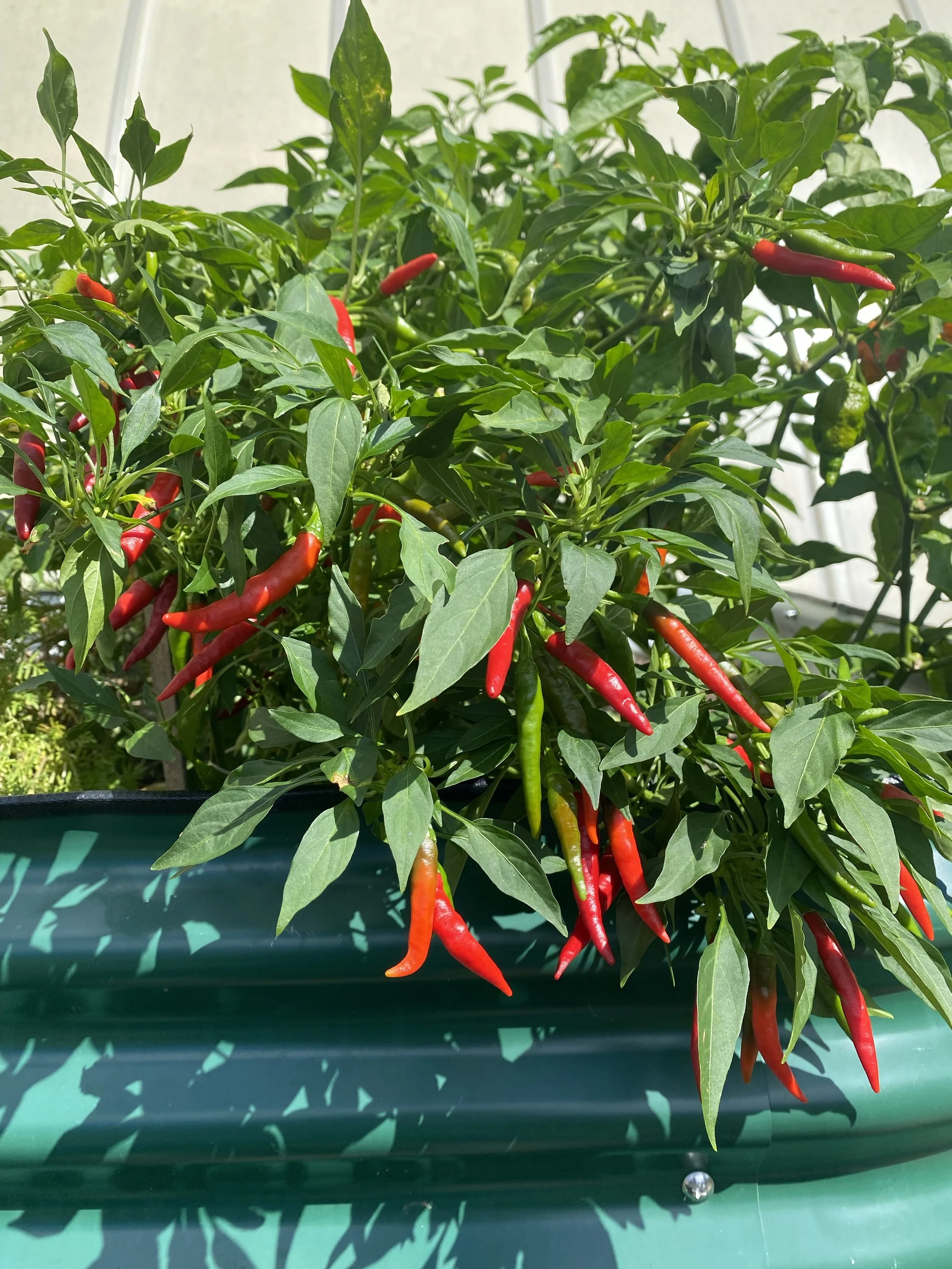
And yes, there will be épis! Blend the following together:
- 2 scotch bonnet peppers (1 if you don’t like spicy)
- ½ red bell pepper
- 1 garlic bulb (peeled)
- ½ bunch of parsley
- 1 bunch of thyme
- 2 Tbsp of olive oil
- ½ bunch of scallions